More Than Four Walls: How Care Homes Stoke-on-Trent Are Creating Vibrant Communities for the Elderly
Loneliness and social isolation are among the most important and under-reported health problems impacting older people in the United Kingdom today. We hear a lot about physical health ailments such as heart disease, diabetes and mobility issues but the devastating impact that loneliness has on the mental and physical welfare of elderly people is just now beginning to get the recognition it deserves. Studies have proved, time and again, that prolonged loneliness is just as dangerous to health as smoking fifteen cigarettes a day, raising the risk of cognitive decline, depression, cardiovascular disease and even early death. For older persons living alone, these risks are extremely real and very real-world.
Like many towns and cities across the UK, Stoke-on-Trent has a large population of elderly people living alone, many of whom go days or even weeks without meaningful social contact. The loss of a spouse, the relocation of family members to distant areas of the country, decreasing mobility and the slow erosion of long-term friendships can all contribute to a deep sense of isolation from the world. That’s where care homes Stoke-on-Trent come into their own, giving not just expert medical and personal care but something just as important – a genuine feeling of community and human interaction.
Understanding the Problem’s Scale
In order to comprehend the role of care facilities in tackling isolation and loneliness, it is vital to grasp the scale of the problem. It’s estimated there are over two million persons aged 75 and older living alone across the UK. Places like Stoke-on-Trent, with above-average levels of impoverishment and where many senior citizens may have restricted access to transport or digital technologies, have particularly high risks of social isolation.
Isolation is not always equal. For some elderly people it is the lack of any meaningful discussion each day. For others it is the gradual withdrawal from hobbies, activities and interests that formerly offered joy and meaning. In extreme cases isolation can lead to complete withdrawal from society, where an aged person may feel invisible, forgotten and worthless. The repercussions of solitude are not only emotional. Long-term loneliness induces stress reactions in the body that weaken the immune system and hasten cognitive loss in disorders such as dementia.
How Care Homes Build a Sense of Belonging
One of the most successful ways care facilities in Stoke-on-Trent fight loneliness is by developing true communities where residents feel a sense of belonging. Unlike living alone at home, where days can pass in near silence, moving into a care facility means becoming part of a real, breathing community of individuals who are at comparable life stages and have similar experiences, and in many cases, memories of the same city or region.
Small things like sharing meals with other people should not be disregarded. Mealtimes in care homes Stoke-on-Trent are also social occasions, with scheduled opportunities for conversation, laughing and the sort of casual human interaction that is the bedrock of any good relationship. For those who have spent months or even years eating alone at home, sitting down to eat with others can be a life-changing experience.
Care homes Stoke-on-Trent provide a large range of activities beyond meals that are well planned to encourage social interaction and personal satisfaction. Whether it’s arts & crafts workshops, music afternoons, gardening clubs or gentle fitness classes, or quiz nights and remembrance groups, to name but a few, there are many possibilities for residents to socialise, helping them to find old passions and new interests. These activities are not just a way to pass the time; they are carefully intended to engage the mind, encourage social connections, and offer residents a feeling of meaning and achievement.
Trained Care Staff’s Role
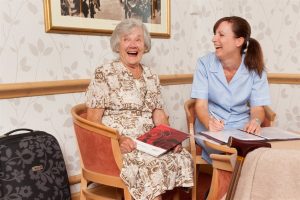
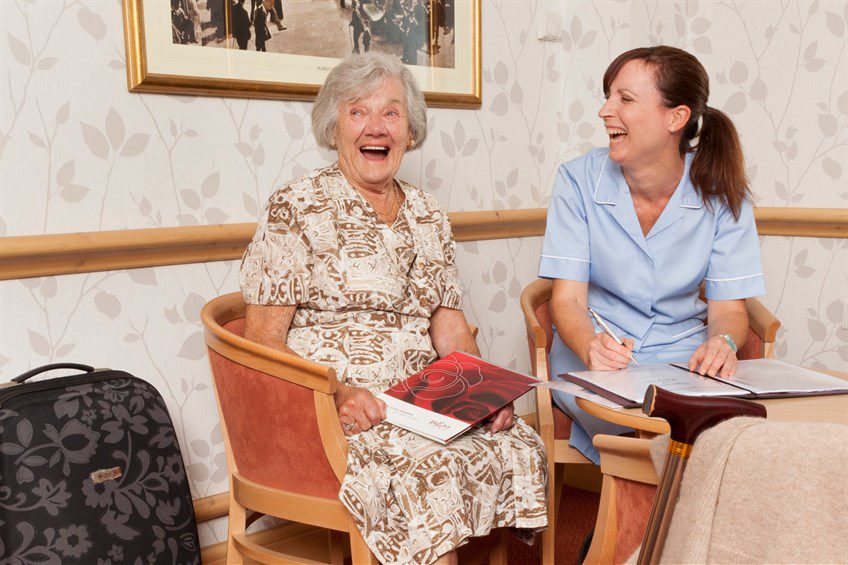
Structured activities are crucial but it would be wrong to underplay the importance of relationships that the residents develop with qualified care personnel. Care homes Stoke-on-Trent carers do a lot more than helping with personal care and medication administration. “They are friends, confidants and a constant human presence in the lives of residents every day.
Trained care providers know how to detect indicators of loneliness and emotional retreat, and how to respond with empathy, patience and genuine warmth. A quick chat over a morning cuppa, a friendly face at the door, a shared giggle about something seen on the television – these small moments of human interaction add up over time to become something very meaningful for residents who might otherwise have very little social contact at all.
The continuity of care in residential care homes is also of enormous importance. With the help of familiar faces, residents are able to create trusted connections with staff, day after day, providing a real sense of security and emotional comfort. This is especially true for people living with dementia where regular routines and stable human relationships can have a huge impact on their overall sense of comfort and safety.
Residents and their Community: Bridging the Gap
Care homes Stoke-on-Trent are also vital in maintaining and deepening residents’ linkages to the wider community outside the walls of the facility itself. Many care homes are actively looking to open up to the community, welcoming local schools, community organisations, church organisations and volunteers to spend time with residents and enjoy activities and talks.
Intergenerational programmes, where young people visit and spend time with senior elders, have proved important in terms of their advantages for both sides. Older persons find a fresh feeling of significance and delight, and young people obtain a better knowledge and appreciation of the older generation. These programmes assist to break down the boundaries that exist between age groups and remind residents that they are still a valuable and significant part of the greater community in which they live.
Care homes also help residents to stay connected with their family and friends, offering regular visits, enabling video conversations for individuals who may struggle with technology alone and hosting family activities to involve loved ones in the life of the home. It is hugely important for emotional wellbeing and for care homes to stay in touch with family Stoke-on-Trent is determined to foster those links and not let them disappear.
Loneliness in Dementia Care: How To Address It
It is important to remember that loneliness and isolation can be particularly severe problems for those living with dementia. As cognitive impairment continues, individuals may experience difficulty with initiating and maintaining social connections, remembering the names and faces of those around them, or communicating their emotional needs effectively. It can lead to a deep and especially painful isolation that requires specialist understanding and care.
Dementia care homes Stoke-on-Trent are specifically designed to tackle this problem. Specialist dementia care teams may generate meaningful moments of connection even in the more advanced stages of the condition, using person-centred care approaches that focus on the individual’s life history, preferences and emotional needs. A song from your youth, pictures of loved ones, the smell of something familiar, something soft to touch – these can all be effective tools to provide connection and emotional comfort for people with dementia.
A Decision That Alters Lives
For many families in Stoke-on-Trent deciding to place an ageing loved one into a care home is not an easy decision. Often it is accompanied by emotions of remorse, doubt and fear about whether this is really the appropriate thing to do. Yet for countless people across Stoke-on-Trent’s care facilities, that transfer has proved to be the time when life really started to get better.
The evidence is clear—human beings are social animals that thrive on connection, camaraderie and community. For elderly people who have been living in solitude, moving into a loving, friendly and socially rich care home atmosphere can literally be life-changing. Loneliness is not a natural element of growing old and care homes Stoke-on-Trent is showing us every day that given the correct assistance and environment, older persons can continue to live with joy, purpose, dignity and real human connection.