Evaluating London Hair Transplant Clinics Through Before and After Photographic Evidence
One of the most important choices a person experiencing hair loss will ever make is selecting a hair transplant facility. The technique entails surgical intervention, a significant financial outlay, and long-term visual effects that will impact day-to-day living for years to come. Hair transplant before and after London galleries have become possibly the most useful tool accessible to potential patients trying to distinguish between excellent and average practitioners in London, where several clinics vie for patients’ attention. Knowing how to assess these photo sets correctly might make the difference between getting results that look realistic and being let down.
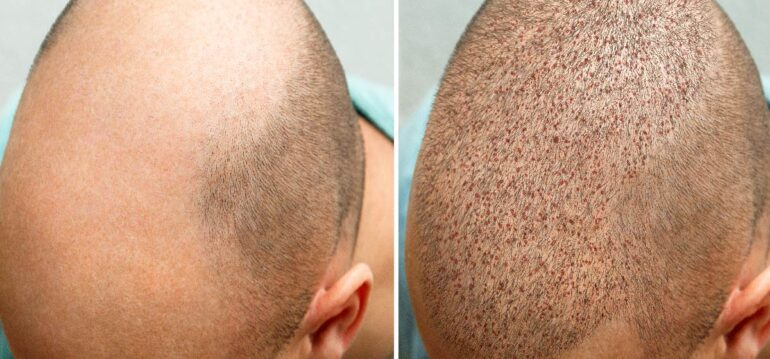
The most concrete proof of a clinic’s talents and performance history is provided by before and after galleries. Looking for hair transplant before and after London examples gives prospective patients instant visual access to the results of prior procedures. Photographs offer verifiable proof of what a certain surgeon and clinic team have truly achieved, in contrast to testimonials that may be inflated or marketing materials that make romanticised claims. When patients commit to therapy, these pictures provide a genuine glimpse of the artistic sensibility, technical skill, and consistency of results they might anticipate.
The capacity of hair transplant before and after London galleries to showcase a clinic’s expertise in various hair loss patterns is the first factor that contributes to their high value. Male pattern baldness presents itself in a variety of ways; some people experience receding hairlines, while others experience broad diffuse thinning or thinning crowns. Prospective patients should look for before and after photos that closely resemble the pattern of their own hair loss. A clinic with a wide range of cases in their hair transplant before and after London portfolio shows adaptability and experience in all hair restoration settings, indicating that they have the know-how to manage certain situations well.
The capacity of before and after galleries to demonstrate a surgeon’s aesthetic approach and the naturalness of the results is equally significant. Hair transplantation requires careful consideration of hairline design, optimum density, natural angulation of transplanted follicles, and seamless blending with existing hair, making it as much an art form as a medical treatment. discerning patients should look at hair transplant before and after London photos to see if the overall appearance suggests real hair growth rather than obvious surgical intervention, if density looks natural rather than overly packed or sparse, and if hairlines appear appropriately aged for the patient’s years. The best outcomes are those that leave onlookers completely unaware that a surgery was performed.
Another important source of knowledge is the healing process that is chronicled in thorough before and after galleries. Before going into a growth phase, transplanted grafts undergo an initial period of shedding following hair transplantation. The full effects usually show up 12 to 18 months after the treatment. Clinics that incorporate intermediate photos into their collections of hair transplant before and after London show openness about the healing process and aid in establishing reasonable expectations. Patients really benefit from knowing how they might look at different points in time, which helps them feel less anxious during the sometimes difficult first few months after surgery.
Careful emphasis should be given to the technical quality of the before and after photos. To allow for an accurate comparison, reputable clinics make sure that their hair transplant before and after London photos are taken with comparable photography equipment, from the same angles, and in the same lighting. Inconsistent photography might unintentionally produce false impressions that don’t adequately reflect actual results, whether they be positive or negative. Patients should exercise some caution when seeing galleries with sharply different lighting between before and after photos or with drastically altered angles, since these changes may skew the impression of the actual alteration that has been accomplished.
Before and after galleries offer vital proof of a clinic’s proficiency across a range of patient groups, and ethnic hair features pose particular obstacles in hair restoration. The unique characteristics of Asian, Caucasian, and African-Caribbean hair all influence the methods used for extraction, processing, and transplantation. Patients from a variety of ethnic origins should especially search for hair transplant before and after London examples that match their own hair type. Successful results across ethnic groups in a clinic’s portfolio indicate thorough technical expertise and cultural competency, which translates into more tailored treatment.
Important details regarding a clinic’s experience and current activity level can also be gleaned from the sheer number and recentness of cases in a before and after collection. A thorough hair transplant before and after London gallery that includes hundreds of different instances from previous years points to a well-established practice with high patient volume. On the other hand, few instances or cases that go back a long way could point to a clinic with less experience or antiquated methods. Even in the last ten years, hair restoration techniques have changed significantly, thus recent findings are especially pertinent when evaluating present capacities.
Additionally, before and after photos show if a clinic specialises in a certain transplant technique. The two main methods—Follicular Unit Extraction and Follicular Unit Transplantation—suit diverse patient profiles and result in distinct donor area looks. Patients should look at donor areas in post-treatment photos when comparing hair transplant before and after London photos in order to comprehend scarring patterns and determine whether the surgery fits with their aesthetic preferences and lifestyle requirements. For example, active people who like very short hairstyles need different considerations than others who feel at ease with longer hairstyles.
Before and after galleries assist women in determining whether a clinic is aware of the unique challenges faced by female patients with hair loss in comparison to their male counterparts. Women usually have scattered thinning instead of total baldness in certain places, thus various tactics are needed. In order to assess a clinic’s experience and sensitivity to female-pattern hair loss, those looking for hair transplant before and after London examples should explicitly look for female patient results. Clinics that exhibit effective female makeovers reveal that they adapt techniques to specific situations rather than using a one-size-fits-all strategy.
It is impossible to overestimate the importance of in-person consultations and before and after galleries. Even though photographic evidence offers priceless preliminary information, potential patients should use these pictures to spark discussions during consultations. A thorough discussion of what contributed to the success of those results and whether comparable results are possible given individual attributes can be had by presenting specific hair transplant before and after London examples that are appealing to a prospective patient. Surgeons should be able and willing to explain technical factors and decision-making procedures in relation to the cases displayed in their galleries.
Patients should feel empowered to confirm that photos accurately depict a clinic’s own work, since authenticity in before and after collections is still crucial. Clinics occasionally engage in unethical methods such as digitally altering photos or showcasing findings obtained elsewhere. The authenticity of hair transplant before and after London portfolios can be confirmed during consultations by asking to view more photos than those that are posted online, posing in-depth queries on certain cases, and even requesting to speak with prior patients. Reputable clinics accept these kinds of questions and have thorough records that they are happy to provide.
Finally, rather than being evaluated separately, before and after galleries should be taken into account in conjunction with other evaluation criteria. Prospective patients should research surgeon credentials, clinic accreditations, hygienic standards, aftercare options, and overall patient happiness, even though photographic evidence offers valuable insight into aesthetic results. Even the most striking hair transplant before and after London results lose their allure if they are performed by unqualified professionals or in unsafe settings.
To sum up, before and after galleries are a vital resource for anyone in the capital thinking about getting their hair restored. In ways that marketing materials alone cannot, these photo collections provide transparency, show off capabilities, establish reasonable expectations, and facilitate well-informed decision-making. Prospective patients position themselves to choose clinics and doctors that can provide the natural, life-changing results they desire by closely analysing hair transplant before and after London photographs with a critical but knowledgeable eye. The time invested in carefully examining these galleries yields benefits in the form of self-assurance, contentment, and, eventually, successful aesthetic results that improve not only hair but also one’s quality of life and self-assurance.