Why Upholstery Cleaning Poole Deserves the Same Attention as Your Carpets
Ask most homeowners how they keep their living space clean and healthy, and the answer will usually involve vacuuming, mopping and an occasional deep clean of the carpets. Flooring is rightly seen as a major contributor to the cleanliness of a home. Yet the sofas, armchairs, dining chairs and headboards that we use every day receive far less attention. They are touched, sat upon, leaned against and slept on, often for hours at a time, and they quietly gather as much dirt as the floor beneath them.
For households across Dorset’s coastal towns, this oversight deserves a second look. The lifestyle, climate and surroundings that make this part of the world so appealing also create conditions in which furniture can become surprisingly grubby. Understanding why upholstery cleaning Poole residents choose should sit alongside carpet care in any sensible household routine is the first step towards a genuinely healthier home.
The Furniture We Forget
Carpets are visible, and when they are dirty the evidence is often plain to see. Upholstery is different. Fabric sofas and chairs may look presentable on the surface whilst harbouring a great deal beneath it. Dust, skin cells, hair, crumbs, body oils and moisture work their way deep into the padding and weave, where they remain long after a quick plump of the cushions.
Think about how much time you spend on your furniture. A sofa may be used for relaxing, eating, working on a laptop, watching television and even sleeping. Children climb over it, pets curl up on it and visitors perch on its arms. Few other items in the home come into such constant, close contact with the body. This is precisely why upholstery cleaning Poole households invest in should not be treated as an optional extra, but as an essential part of maintaining a clean and healthy environment.
What Lives Inside Your Sofa
Upholstered furniture provides an ideal habitat for dust mites. These microscopic creatures feed on shed skin cells and thrive in warm, slightly damp, fabric-rich environments. A well-used sofa offers all of these in abundance. Dust mites themselves are harmless to many people, but their droppings and body fragments are common triggers for allergic reactions, including sneezing, itchy eyes, a blocked nose and aggravated asthma.
Alongside mites, upholstery collects pet dander, pollen carried in on clothing, cooking residues and airborne particles. Spilled drinks and food crumbs, even those that seem to have been cleaned away, can leave behind sugars and proteins that encourage bacteria and mould. Over months and years, these accumulate. The result is furniture that looks acceptable but may be contributing to poor indoor air quality and everyday discomfort.
Carpets are known to trap similar particles, which is why regular cleaning is widely recommended. The same reasoning applies to upholstery, which is in many ways even more significant, because we breathe closer to it and spend time with our faces and hands pressed against it.
The Impact of a Coastal Climate
Living near the sea brings many benefits, from fresh air to beautiful walks along the shore. However, coastal areas can also be damp. Sea air carries moisture, and homes close to the water can experience higher humidity than those further inland. Mild, wet winters add to this, as windows stay closed and heating is used intensively, creating conditions in which moisture can linger in soft furnishings.
Damp fabric is a welcome environment for mould and mildew, which can develop out of sight in the depths of cushions and beneath loose covers. These growths often produce a musty smell that many people simply grow accustomed to, without realising its source. For anyone with respiratory problems, exposure to mould spores can be especially troublesome.
This is one reason that upholstery cleaning Poole homeowners arrange regularly can make a noticeable difference. Professional methods can lift moisture-borne contaminants and, when followed by proper drying, help to leave furniture fresher and healthier.
Sand, Salt and Outdoor Living
Proximity to beaches and harbours also means that sand and grit find their way indoors. They cling to shoes, bags, towels and pets, and are soon deposited on sofas and chairs. Sand is abrasive, and when ground into fabric it can wear down fibres, dulling the appearance of upholstery and shortening its life.
Salt in the air and on clothing can also leave residues that attract moisture and make fabric feel slightly stiff or sticky. Families who enjoy sailing, paddleboarding, dog walking or days on the sand will recognise how easily the outdoors comes inside. Regular cleaning removes these gritty and salty deposits before they cause lasting damage, protecting both the health of the home and the investment you have made in your furniture.
Pets, Children and Busy Households
Many homes in the area are shared with dogs, cats or both. Pets bring joy, but they also bring hair, dander, dirt from outdoors and sometimes accidents. Upholstery is a favourite resting place for animals, and the oils from their coats soak into the fabric, often producing lingering odours.
Children add their own challenges. Spilled juice, muddy hands, snack crumbs and the occasional felt-tip mishap are part of family life. Young children also spend more time close to furniture surfaces, sometimes eating, playing and even sleeping upon them. Keeping upholstery clean is therefore particularly important for households with little ones, whose developing immune and respiratory systems may be more sensitive to allergens and bacteria.
Why Vacuuming Is Not Enough
Regular vacuuming is useful, and it should certainly continue. It removes surface dust, hair and loose debris. However, it cannot reach the deeper layers of padding or lift ingrained soiling, dried spills and body oils. Over time, these build up, and the fabric gradually becomes dingy and discoloured.
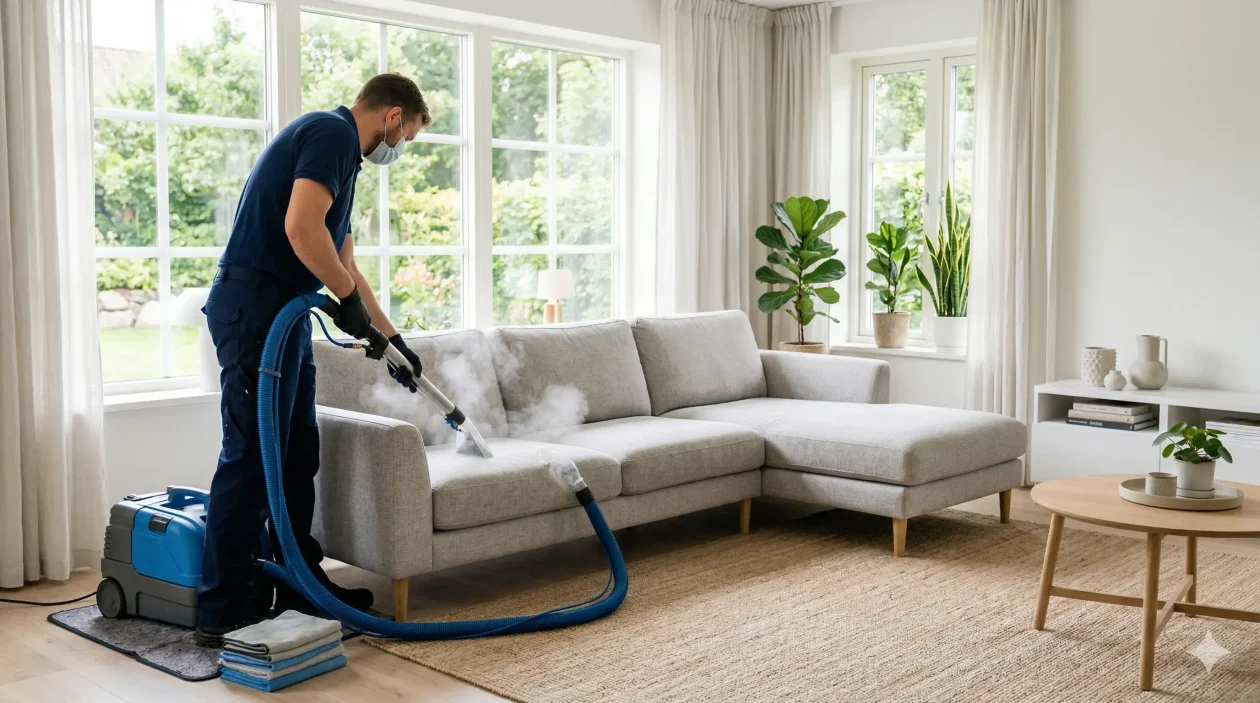
The same is true of carpets, which is why most people accept that vacuuming alone is not a substitute for periodic deep cleaning. Upholstery deserves the same logic. Professional cleaning uses specialist techniques to agitate and extract soiling from within the fabric, restoring colour, softness and freshness. Choosing upholstery cleaning Poole professionals recommend as part of a regular schedule ensures that the deeper layers are treated, not merely the surface.
Appearance, Comfort and Longevity
Health is the most compelling reason to clean upholstery, but it is not the only one. Clean furniture simply looks better. Colours appear brighter, patterns sharper and fabrics fresher. A sofa that has been properly cleaned can transform the feel of a living room, making it more welcoming and comfortable.
There is also an economic argument. Sofas and chairs are expensive, and they are intended to last for many years. Dirt acts like a mild abrasive, wearing away fibres each time someone sits down. Body oils can darken arms and headrests, and spills left untreated may set permanently. Regular care slows this deterioration and helps furniture to age gracefully. Spending modestly on maintenance can delay the far greater expense of replacement, which is a sensible consideration for any household.
Matching the Method to the Fabric
Not all upholstery is the same, and this is another reason professional knowledge is valuable. Fabrics range from hard wearing synthetics to delicate natural fibres such as cotton, linen, wool and silk, and each responds differently to cleaning methods. Some can tolerate water-based cleaning, whilst others require low-moisture or dry techniques. Using the wrong approach can cause shrinkage, colour bleeding or water marks.
Most upholstered items carry a care label with a code indicating how they should be cleaned. Understanding and respecting it is essential. A trained technician will assess the fabric, test for colour fastness and select the most suitable method. Those searching for upholstery cleaning Poole services should look for providers who explain their approach clearly and take care to match it to the material, rather than applying a single method to everything.
How Often Should You Clean?
As a general guide, upholstery benefits from a professional clean every twelve to eighteen months. Homes with pets, young children, smokers or allergy sufferers may wish to clean more often, perhaps every six to twelve months. Furniture that is used heavily, or situated in a damp room, may also need extra attention.
Between professional treatments, simple habits help. Vacuum furniture weekly using an upholstery attachment, rotate and plump cushions, deal with spills promptly by blotting rather than rubbing, and allow fresh air into the room regularly. Washable covers and throws can be laundered often, adding an extra layer of protection. These measures complement professional care and help to keep furniture in better condition for longer.
Pairing Upholstery and Carpet Care
One of the most practical suggestions for a healthy home is to treat carpets and upholstery as a single package. When only the carpets are cleaned, dust and allergens settle back from the furniture, partly undoing the benefit. When both are cleaned together, the whole room is refreshed and the improvement in air quality and freshness is more noticeable.
Scheduling both services at the same time can also be convenient, saving disruption and often making the process more efficient. Many householders find that once they have experienced the difference, they wonder why they ever treated them separately. Including upholstery cleaning Poole residents rely on within an annual home care routine is a simple step with a genuine reward.
Peace of Mind for Allergy Sufferers
For anyone who lives with allergies or asthma, the benefits of clean upholstery can be particularly significant. Reducing the reservoir of dust mites, dander and pollen in soft furnishings can help to ease symptoms, especially at times of year when they tend to flare. While cleaning is not a cure, it forms a valuable part of a wider strategy that includes regular bedding washes, good ventilation and effective vacuuming.
Knowing that the sofa on which you relax each evening has been properly cleaned also brings psychological comfort. A fresh, clean home feels better to live in, and that sense of wellbeing is worth far more than the modest effort involved.
A Healthier Home Starts With the Whole Room
Carpets have long enjoyed their place at the centre of home cleaning routines, and rightly so. But the furniture that fills our living spaces deserves equal recognition. Sofas, armchairs and dining chairs collect dust, allergens, moisture and grime in ways that are easy to overlook yet impossible to ignore once understood.
For households along the Dorset coast, with its damp air, sandy beaches and active outdoor lifestyle, the case is especially strong. By committing to regular upholstery cleaning Poole families can enjoy fresher air, longer-lasting furniture and a more comfortable, welcoming home. Treat your upholstery with the same care as your carpets, and you will take a significant step towards a cleaner, healthier place to live.