Protecting Your Property by Choosing Professional Spray Foam Removal Specialists
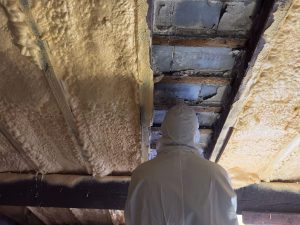
Spray foam insulation is used in roofs to prevent heat loss and increase thermal efficiency. However, homeowners may require it removed. Roof ventilation, moisture, wood condition, property transactions, or mortgage applications may trigger insulation testing.
Spray foam removal might be more complex than it seems. The substance sticks to roof beams and other surfaces, making removal difficult without destroying the structure. Working in cramped roof areas poses serious physical and safety dangers.
Hire spray foam removal specialists. Professionals may evaluate installation, choose removal techniques, and preserve property. Understanding the risks of DIY removal makes professional help essential.
Understanding Spray Foam Removal Challenges
Spray foam insulation expands and bonds to surfaces. This can assist it cover gaps and uneven places during installation, but it might make removal difficult.
Spray foam can be soft or hard depending on composition. Thickness, age, quality, and stickiness impact how easy it separates off the roof. Some installations are easier to remove than others, but no solution works for all properties.
Trying to remove the material without recognising these distinctions might cause damage. The timber under the insulation may be damaged by deep cutting, excessive force, or improper equipment.
Spray foam removal experts have evaluated installations and determined how to handle the substance. They can estimate the work, identify problem locations, and organise the removal procedure based on the property’s construction.
This first review helps avoid errors and clarifies the project.
Preventing Roof Timber Damage
The risk of roof damage is one of the main reasons to avoid DIY spray foam removal. Foam bonds securely to rafters, joists, and other timber components, making removal difficult without damaging the surfaces.
Without proper training, blades, scrapers, and powered equipment may cut, gouge, and destroy structural timber. If it affects a load-bearing component, even small damage may necessitate additional inspection.
Risk goes beyond evident surface harm. Too much foam removal might damage roof materials or reveal long-standing problems. Homeowners may also have trouble distinguishing superficial blemishes from serious issues.
Spray foam removal experts operate carefully around fragile building elements. Managed removal should be prioritised while limiting roof damage.
The exposed timbers may be further studied when the insulation is removed. If degradation or other flaws are found, additional investigation can determine remedies.
Protecting the structure during removal can save expenses and prevent a little insulation issue from becoming a major project.
Keeping Yourself Safe
Workers risk bodily and environmental harm while removing spray foam insulation. Depending on the composition, age, and operating conditions, disturbing foam may produce dust, pieces, or other airborne particles. Insulation debris can irritate skin, eyes, and lungs.
Although cured foam has different dangers than uncured goods, the chemicals employed during installation may also be important. Since the material has been in the roof for years, it may not be innocuous.
Protective gear, ventilation, handling, and work practises are crucial. The substance and removal circumstances determine the appropriate measures.
Roof areas provide risks such limited movement, insufficient illumination, projecting nails, unstable surfaces, and low headroom. Loss of balance or weight on an inappropriate ceiling surface might cause significant damage.
Spray foam removal experts can anticipate the risks and utilise the right procedures. However, homeowners should verify contractors’ training, insurance, and safety protocols.
Leave this difficult task to experts to avoid unwanted exposure and mishaps.
Avoiding Hidden Roof Defects
Spray foam can hide roof structure, making it hard to inspect timber and other elements. Once removal begins, undiscovered concerns may surface.
Damp timber, fungal deterioration, damaged roof coverings, and pre-insulation problems are examples. Spray foam does not necessarily indicate these issues, but they should be considered while planning.
An untrained individual may remove insulation without seeing degradation or roof damage. Certain items may be disturbed during the work.
Spray foam removal experts can spot warning indications and advise additional inquiry. A certified building expert or structural specialist may be needed to identify structural repairs.
Professional removal allows for better inspection of previously concealed parts. However, removing the insulation does not fix underlying issues or ensure the roof’s condition.
The Right Tools and Removal Methods
More than hand tools are needed to remove spray foam. The right method relies on the material, surfaces, and accuracy.
Sometimes foam must be sliced in regulated parts. Other installations may need careful scrubbing or surface preparation to remove remaining material. The goal is to remove insulation without damaging the structure.
DIY typically requires trial and error. A tool that works well in one region may not work in another, especially if the foam is strongly bound to sensitive or uneven surfaces.
Spray foam removal experts use procedures based on situations. Experience may assist them work faster and avoid harming timber, roof coverings, and adjacent components.
They should also clarify how well surfaces can be cleaned and whether residual foam may stay in problematic spots. Before starting repairs, homeowners may set expectations and avoid misunderstandings.
Avoiding Surprise Costs and Saving Time
Removing spray foam yourself may appear cost-effective. If the work takes longer or produces more harm, the apparent savings may disappear.
DIY removal may be strenuous, especially for big roof insulation areas. Working overhead in a small area is taxing, and foam attachment to the structure may hinder work.
Homeowners may require tools, protective gear, illumination, and waste-handling supplies. If the removal goes awry, timber repairs, roof maintenance, or expert help may be needed.
Spray foam removal experts can evaluate the installation and operating circumstances and quote. Professional services may be more cost-effective than DIY removal due to time, equipment, and danger.
Before hiring a contractor, homeowners should examine the quote for preparation, garbage disposal, cleaning, and unanticipated faults. Comparing comprehensive quotes is better than picking a service based on the lowest headline price.
Waste Management and Leaving Safely
Waste from spray foam removal must be collected and treated. Quantity varies on area covered, insulation thickness, and removal process.
Large foam pieces are difficult to collect and move in a small loft. Poor handling can spread material and increase cleaning needs.
Homeowners may underestimate the time needed to clean the roof and handle garbage. They may also not know how to dispose of the stuff legally.
Spray foam removal experts can include waste collection in the job. Before starting work, check if the quote includes garbage pickup and disposal and if any particular measures are needed.
A complete finishing procedure should include assess exposed surface quality and if further inspection or repairs are needed. Keeping the space clean and accessible simplifies future roofing or other renovations.
Property Sales and Mortgage Assessment Support
Spray foam removal may be considered by homeowners if the insulation causes issues during a sale, appraisal, or mortgage application. Removing the material may be part of a roof condition and inspectability strategy.
Removing does not ensure mortgage approval, a sale, or a good appraisal. Property, roof condition, and lender, surveyor, or buyer criteria will determine the outcome.
Spray foam removal professionals can explain the removal procedure to homeowners and give work documentation, if requested. Additional roof inspections or reports may be needed to determine its condition.
Homeowners should determine what evidence is needed and if removal would resolve the issues. This can prevent spending money on work that doesn’t fix the problem.
Selecting a Specialist
Professional removal works best when the contractor understands the property’s issues. Owners should look for experience, insurance, good communication, and a readiness to explain the suggested work techniques.
Spray foam removal experts should inspect the installation before certifying the scope. Their quote should include the treatment regions, projected disposal method, waste arrangements, and any limits.
Ask how unforeseen roof faults will be handled and if further repairs need separate clearance and cost. Clear agreements decrease disagreements and help homeowners manage the project.
Responsible contractors shouldn’t overstate hidden timbers’ condition or guarantee a mortgage or property-sale conclusion. Instead, they should indicate what can be fairly established and when expert guidance is needed.
Conclusion
Spray foam insulation removal requires structural concerns, health and safety hazards, specialised tools, and physical work. DIY work may damage roof timbers, expose them to debris, miss concealed faults, and cost more.
Experienced spray foam removal specialists are more controlled. Professional evaluation, suitable methodologies, and cautious handling may protect the property and reveal hidden regions.
Homeowners should compare precise quotes, verify the contractor’s experience and insurance, and discuss roof defect resolution before arranging removal. They should also clarify mortgage and property selling rules.
Avoiding DIY removal goes beyond convenience. Protecting personal safety, conserving the roof structure, and knowing the hazards are key. Professional aid may simplify the process and help homeowners make educated property condition decisions.
Get in Touch:
Countrywide Roofing & Insulation
1st Floor, Colonnade House, 2 Westover Rd, Bournemouth BH1 2BY, United Kingdom
01202 942777
countrywideinsulation.co.uk