Protecting Your Household from the Dangers of Spray Foam Insulation
Spray foam insulation is a favoured choice for homeowners looking to enhance energy efficiency and lower heating expenses. Although frequently advertised as a solution for sealing draughts and reducing heat loss, numerous property owners are growing more conscious of the significant issues related to this material. Recently, concerns about indoor air quality, structural damage, and long-term health effects have prompted many families to prioritise spray foam removal.
For UK households, the concern extends beyond just insulation performance. Creating a safe space for children, elderly relatives, and those vulnerable to respiratory issues or chemical sensitivities is essential. Recognising the risks of spray foam insulation aids homeowners in making informed choices and understanding the potential need for early removal.
One major concern with spray foam insulation is the potential release of harmful chemicals into the home environment. During installation, spray foam products may release volatile organic compounds, known as VOCs. These compounds can remain in the air long after application, especially if the insulation is poorly installed or deteriorating over time. Families in affected homes often report symptoms like headaches, dizziness, eye irritation, coughing, and breathing issues. Often, these symptoms lessen after spray foam removal and proper ventilation of the property.
Children are particularly at risk from the negative effects of indoor air quality linked to spray foam insulation. Children’s lungs are still developing, making them more sensitive to airborne irritants and chemical exposure. Extended exposure to polluted indoor air can lead to respiratory issues, asthma attacks, and persistent allergy symptoms. For parents observing unexplained health issues at home, spray foam removal can be a crucial step in restoring a healthier living environment.
The elderly and individuals with pre-existing health conditions may face serious issues related to spray foam insulation. People with asthma, COPD, or weakened immune systems may experience worsened symptoms in homes with insulation materials that emit chemical fumes or trap moisture. Removing spray foam can enhance comfort and lower health risks for sensitive family members.
Moisture retention is a significant concern linked to spray foam insulation. Although the material aims for an airtight seal, it can occasionally hinder a property’s natural breathing. In roof spaces and lofts, moisture can cause condensation, dampness, and mould. Mould spores can disperse across the property and greatly impact indoor air quality. Exposure to mould can lead to coughing, sneezing, skin irritation, sinus issues, and aggravated asthma symptoms. Homeowners often find spray foam removal essential when mould appears or moisture issues become too significant to overlook.
Mould growth from trapped moisture is especially worrying for families with young children or elderly relatives. Black mould and harmful fungal growths can spread behind walls, across timber structures, and through ventilation systems without being seen right away. The longer the issue stays unresolved, the higher the risk to your family’s health. Prompt spray foam removal is often advised when moisture damage or mould contamination is found in the property.
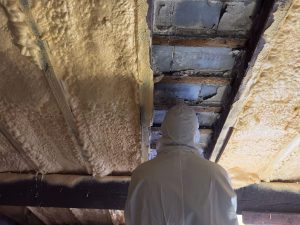
Another often ignored issue is the structural effect of spray foam insulation on a property. In certain homes, the foam clings closely to roof timbers, hindering inspection of the wood’s condition beneath. If rot or decay starts, it can stay concealed for extended durations. Structural deterioration can compromise roof safety. Though it may not seem directly linked to health at first, residing in a property with concealed dampness, decaying timbers, and inadequate ventilation can lead to unhealthy living conditions. Removing spray foam enables experts to evaluate the underlying structure accurately and tackle any concealed damage.
Poor installation practices can heighten the risks linked to spray foam insulation. If applied unevenly or in poor weather, the material may not cure properly. Incomplete curing may lead to lingering chemical smells and continuous off-gassing in the home. Families in these conditions frequently report intense odours that cause nausea, headaches, or throat irritation. Often, spray foam removal is the only effective option when the material fails to cure properly.
Homeowners must consider the mental effects of residing in a property with spray foam issues. Ongoing worries about air quality, mould, or concealed structural damage can lead to persistent stress and anxiety for families. Many individuals express difficulty in relaxing at home after learning about the potential risks linked to their insulation. Professional spray foam removal ensures safety and restores homeowners’ confidence in their living spaces.
Financial implications associated with spray foam insulation can indirectly impact family wellbeing. Mortgage lenders and surveyors are increasingly cautious about properties with spray foam. Hidden roof damage and poor ventilation can hinder homeowners from remortgaging or selling their property. This financial uncertainty adds pressure on families already facing health concerns related to the insulation. Investing in spray foam removal can enhance property value and marketability while safeguarding household health.
Homeowners sometimes think that opening windows or using air purifiers will fix the issue. Improving ventilation can temporarily lessen odours or airborne irritants, but it seldom tackles the root problem. If the insulation continues to emit chemicals or retain moisture, health risks may remain. Professional spray foam removal is typically the best method to eliminate contamination sources and improve indoor air quality.
Not all spray foam insulation issues are immediately apparent. Some families might reside in a property for years without realising symptoms or uncovering hidden damage. As time passes, insulation deteriorates, moisture builds up, and ventilation issues escalate. This gradual decline requires homeowners to stay vigilant for warning signs like musty odours, visible mould, increased condensation, or unexplained respiratory issues. Removing spray foam early can prevent serious health and structural problems from arising.
Another important issue is how spray foam insulation can affect sleep quality and daily comfort. Homes impacted by poor air quality, chemical smells, or dampness can be uncomfortable to inhabit. Family members might face sleep disturbances, tiredness, or persistent irritation in the eyes and throat. These symptoms can slowly impact focus, mood, and general health. Removing spray foam can significantly enhance the comfort and health of all occupants in the property.
Households planning renovations or property improvements should prioritise addressing problematic insulation. Neglecting hazards during refurbishment can put occupants and contractors at risk of harmful particles or mould spores. Professional spray foam removal guarantees safe handling and proper disposal of the material, minimising the risk of additional contamination during renovation projects.
Homeowners often postpone action due to worries about the disruption or expense of insulation removal. Postponing spray foam removal can lead to worsening hidden damage and health risks over time. Damp conditions can spread, timber decay may worsen, and extended exposure to airborne irritants could keep impacting family health. Acting swiftly can lower repair costs and avert further property damage later on.
Professional evaluation is crucial for addressing spray foam insulation issues. Specialists can assess insulation condition, spot moisture issues, and decide if spray foam removal is needed. Removing the material without expertise can be hazardous, as damaged foam might release dust, particles, or chemical residues into the air. Professional removal procedures aim to reduce risks and guarantee the property remains safe and clean.
After spray foam removal, many homeowners see immediate improvements in their property. Air quality feels fresher, musty odours vanish, and ventilation improves greatly. Families often experience reduced respiratory symptoms and an increased sense of comfort at home. Addressing mould and dampness during the removal process can significantly improve the overall living environment, making it healthier and more pleasant.
Ultimately, spray foam removal is crucial not just for property upkeep or financial reasons. It’s primarily about safeguarding your family’s health, comfort, and safety. Spray foam insulation, once seen as a cutting-edge way to enhance energy efficiency, is now being reevaluated by many homeowners due to emerging concerns about its potential risks.
If you think spray foam insulation might be impacting your home, it’s crucial to pay attention to the warning signs. Persistent odours, condensation, mould growth, respiratory symptoms, and concerns from property surveys must be addressed seriously. Getting expert guidance and organising spray foam removal when needed can protect your property and promote a healthier living space for all residents.
Investing in spray foam removal offers enduring advantages for your home and family’s health over time. Cleaner air, less moisture issues, better visibility, and enhanced peace of mind all lead to a safer, healthier living environment. Families worried about the hidden risks of spray foam insulation should act quickly, as this could be a crucial decision for their property and future health.