From Foam to Fresh Start: Making the Most of Your Roof After Removal
For many homeowners, the choice to proceed with spray foam removal stems from months of concern. Perhaps a surveyor expressed worry, a mortgage lender hesitated, or damp spots and a musty odour began to appear in the loft. When the task is finally completed and the last of the stuff has been removed, it is normal to feel relieved. However, the completion of spray foam removal does not mark the end of the narrative. It marks the start of a new phase, one that requires as much care and attention as the task itself.
What you do in the weeks and months that follow will influence how well your property performs, how comfortable it feels, and how quickly it can be sold or refinanced in the future. This article discusses the critical measures to take once the foam has been removed, allowing you to protect your investment and restore your home to a healthy, efficient state.
Inspect the completed work carefully.
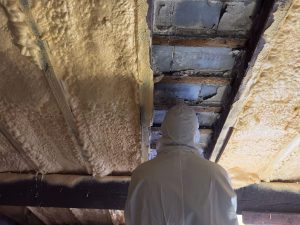
The first step is to satisfy yourself that the work has been completed correctly. Spray foam sticks strongly to wood, felt, tiles, and brick, making total removal difficult. Even expert workers may leave thin residues in odd areas, and it is important to ensure that these have been dealt with properly.
Ask the contractor to walk you across the roof space once the spray foam removal work is completed, if safe access is possible. Inspect the rafters, purlins, wall plates, and any exposed felt. Surfaces should appear clean and clear of big spots of residual foam. Small traces on the sides of timbers may be fine if your counsel agrees, but you should understand what was left and why.
Request images before, during, and after the work. These records provide essential evidence that spray foam removal was completed thoroughly, and they can be shown to surveyors, lenders, and potential buyers.
Have the timbers and roof structure assessed.
One of the most essential reasons to remove spray foam is the danger it can cause to roof timbers. When foam is put directly to the underside of a roof covering, it can trap moisture against the timber, preventing it from naturally drying. This might result in decay, fungal development, or insect activity that goes unreported since the structure is buried.
Once the spray foam has been removed, you will have a rare opportunity to thoroughly study the timbers. Arrange for a trained surveyor or timber specialist to inspect the rafters and other components. They can utilise moisture meters and eye inspection to detect regions of deterioration or high moisture content. If faults are discovered, early treatment or repair is significantly less expensive than waiting until the damage has developed.
Even if the timbers appear to be in good condition, a professional assessment provides piece of mind and serves as an important record for the property file. It reveals that the structure was inspected after removal and deemed to be in good condition, or that any faults were resolved quickly.
Allow the rooftop space to dry out.
After spray foam removal, the roof space may require time to dry. Timber that has been sealed beneath foam for years might retain moisture, and the removal process may include cleaning treatments that introduce some more dampness. It is advisable to allow the structure to breathe before covering it with new insulation.
Good ventilation is needed during this time. Make that the eaves vents, ridge vents, and any other airflow pathways are open and unobstructed. In such circumstances, a surveyor may suggest interim drying techniques or just wait a few weeks before rechecking moisture levels. Rushing to re-insulate while the timber is still damp may trap moisture and exacerbate the problem you have just paid to fix.
Check the roof covering and underlay.
Spray foam is commonly applied in a method that affects both the roof covering and the timbers. Foam can adhere to the back of slates or tiles, and its removal may disrupt or destroy some of them. Similarly, the underlay or felt beneath the tiles may tear, deteriorate, or pull away.
After spray foam removal, have the roof inspected from both inside and outside. Check for cracked or slipping tiles, broken battens and any gaps in the underlay. Any repairs should be undertaken before installing new insulation, as fixing a roof is much easier when the space beneath it is open and accessible. Addressing these issues promptly also protects against leaks that could harm the new insulation and the rooms below.
Choose a Replacement Insulation Strategy.
Removing spray foam from your home removes the thermal protection it formerly offered, therefore you must decide how to insulate the property in the future. This selection requires careful consideration, as the wrong choice could lead to more complications.
For many qualities, the traditional technique is most effective. Laying mineral wool or equivalent breathable insulation between and over the ceiling joists preserves heat in the living space while keeping the roof void cool and aired. This strategy is broadly understood, widely recognised by surveyors and lenders, and relatively inexpensive.
Where the loft is used as a living space, or where the roof design makes ceiling insulation impractical, insulation between and beneath the rafters may be useful. In that circumstance, it is critical to keep a ventilation gap above the insulation and to use a proper vapour control layer. Seek guidance from a knowledgeable specialist who understands moisture behaviour in roofs, rather than believing that more insulation is always superior.
Consider seeking independent advice before switching to another spraying product. The incident that led to spray foam removal has likely made you hesitant, and rightfully so. Whatever you choose, make sure the materials and installation process are suitable for your specific roof construction.
Improve ventilation where necessary.
Many older roofs depend on natural airflow to keep the timbers dry. Spray foam installations can obstruct or seal these pathways, and the cleanup process may reveal that ventilation has been affected. Once the foam has been removed, it is a good time to assess and enhance airflow.
Your consultant may suggest installing or cleaning eaves vents, adding tile vents, or installing ridge ventilation. The goal is to provide a gentle, continuous flow of air through the roof space, taking away any moisture that comes in. Good ventilation protects the timbers, extends the life of the roof, and enhances the efficiency of whatever insulation you choose to put.
Maintain a thorough record of everything.
Documentation is one of the most important consequences of the entire process. Buyers, solicitors, and mortgage lenders are increasingly asking about spray foam, and being able to show that it has been appropriately dealt with can make a big difference in a sale.
Collect and file the contractor’s invoice, any certificates or guarantees, surveyor reports, moisture readings, photographs, and information about the replacement insulation. Keep these in a single folder, preferably with digital copies stored securely elsewhere. When you eventually sell or remortgage, this paperwork will indicate that the spray foam removal was done properly and that the roof structure was examined.
Inform your insurer, lender, and solicitor.
Once the job is completed, consider informing the appropriate parties. Your building insurer may have enquired about the existence of spray foam; telling them that it has been removed may have a favourable impact on your coverage or premiums. Similarly, if you have a mortgage, your lender may have flagged the foam as a worry, and providing evidence of removal may help to settle any ongoing difficulties.
If you intend to sell, contact your solicitor as soon as possible. They can provide advice on what to reveal and how to display the documentation. Being upfront and properly prepared frequently reassures buyers and expedites the purchase. A property that has undergone spray foam removal with a clear paper trail is significantly more appealing than one with unsolved issues.
Monitor the property over time.
Even once everything has been completed to a high standard, it is important to maintain an eye on the roof. During the first year, inspect the loft every few months for symptoms of dampness, condensation, or strange odours. Examine the insulation to ensure that it is dry and has not been disturbed, and confirm that ventilation pathways are unobstructed.
Pay attention to how the house feels. A well-insulated and ventilated home should be comfortable, with consistent temperatures and no musty odours. If you see any cold spots, condensation on windows, or mould in the rooms listed below, contact a professional right away. Early action almost always keeps minor concerns from becoming costly ones.
Consider the Broader Picture of Home Efficiency.
Spray foam removal might also serve as a reminder to evaluate your home’s overall energy efficiency. With the roof area exposed and the insulation repaired, this is an excellent moment to explore additional upgrades. Draught proofing, replacing loft hatches, inspecting plumbing lagging, and assessing wall and floor insulation can all help to create a warmer, more efficient house.
Taking a whole-house approach ensures that money is spent where it has the greatest impact. A competent energy assessor can help you prioritise changes and organise them in a realistic manner, avoiding the temptation to focus solely on the loft.
Moving Forward with Confidence.
Finishing spray foam removal is a huge milestone, and it is understandable to be glad that a challenging problem has been resolved. However, the weeks that follow are equally critical. By evaluating the job, assessing the timbers, mending the roof covering, selecting appropriate replacement insulation, optimising ventilation, and keeping detailed documents, you can ensure that the benefits of removal are completely appreciated.
Most importantly, these measures will restore your confidence. A dry, sound, and properly insulated roof space protects your property, increases its value, and provides you the peace of mind that comes with knowing the project was done right. With patience and the correct professional assistance, the time after spray foam removal can signal the beginning of a healthier, more comfortable, and more marketable house.