How Organisation Elevates Hair Restoration Care on Harley Street
Hair restoration is often thought of in purely surgical terms: grafts, incisions and the final result. In practice, however, the difference between an adequate outcome and one that feels natural, discrete and long-lasting frequently comes down to how well the whole process is organised. Organisation shapes the consultation, the operating day, the way grafts are handled and the follow-up care that supports healthy hair growth. For clinics on London’s Harley Street, where patients expect a high standard of medical care and discretion, attentive organisation is part of the professional offer.
At its best, organisation reduces uncertainty for patients and allows surgeons to concentrate on clinical decisions rather than logistics. That starts before anyone walks through the door: clear information about consultation options, realistic timelines for growth and an agreed plan of treatment set expectations and create a collaborative relationship. For prospective patients, understanding the workflows that sit behind a treatment helps them choose a clinic that matches their priorities—safety, expertise and predictable support.
Why Organisation Matters from First Contact
The initial consultation is a practical assessment and an opportunity to establish an organised pathway. Efficient clinics arrange surgeon-led appointments rather than leaving patients to speak to sales staff, ensuring medical questions are answered by a clinician. A structured consultation will typically include a thorough medical history, clinical examination, photographic documentation and a mapped treatment plan that sets out objectives, likely timelines and follow-up intervals. This clarity reduces surprises and helps patients assess suitability and timing.
Organised clinics also manage the small but important administrative details that affect patient experience: straightforward booking processes, transparent pricing or finance options, confirmation of pre-op requirements and clear directions to the clinic. These administrative systems may seem peripheral to clinical skill, but they reduce stress and create space for clinicians to focus on delivering a technically precise procedure.
Operational Details That Influence Clinical Quality
Behind every successful transplant is a sequence of operational decisions that affect graft survival and aesthetics. These include how grafts are harvested and stored, the choice of instruments and the scheduling of operating teams. Modern FUE techniques rely on consistent, repeatable steps to minimise handling time and preserve follicle viability; where clinics adopt specialist devices or refined extraction protocols, it is the disciplined application of those techniques that matters.
Practical patient considerations are part of this operational landscape. For example, patients searching for a reliable Hair transplant Harley Street option often value clinics that clearly communicate likely appointment durations, offer accessible payment plans and provide straightforward directions and transport guidance — all of which contribute to a calmer, better-prepared patient on the day of surgery.
Design, Placement and Pattern: Where Organisation Meets Craft
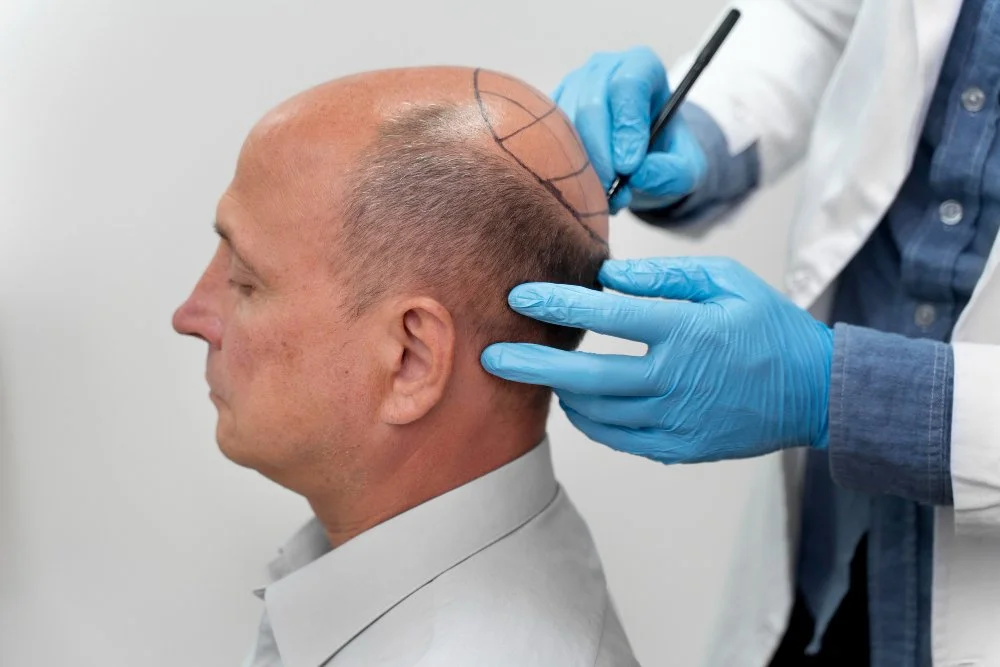
A hair transplant that looks natural is as much about planning as it is about technique. Thoughtful hairline design involves mapping hair direction, density and angulation in advance and agreeing a placement strategy that will age well with the patient. Such planning requires time, careful photographic records and an organised approach to graft distribution across sessions, particularly when restoring larger areas or combining procedures such as crown work with frontal density.
Surgeon-led clinics often present case studies or treatment journeys that illustrate how staged, well-planned interventions produce gradual, believable improvements. This staged approach is an organisational decision: staging allows for predictable density, better management of the donor supply and the opportunity to refine outcomes through follow-up adjustments if needed.
Preparing for Surgery: Practical Checklists That Reduce Complications
Preparation is an area where clear instructions and checklists significantly improve the patient experience. A well-organised pre-operative protocol covers medication review, guidance about alcohol and smoking, arrangements for post-operative transport and a clear list of items to bring on the day. These measures are not about restricting patients unnecessarily; they are practical steps designed to reduce complications and ensure the surgical team can perform without avoidable interruptions.
Clinics that provide both written and verbal pre-op instructions—along with a named point of contact for last-minute questions—tend to see smoother days of surgery and more confident patients. For those travelling from outside London, an efficient clinic will also offer guidance on timing, local accommodation and how to coordinate a sequence of visits for staged treatments.
Day‑Of Organisation: How Procedures Run Smoothly
On the day of a transplant, an organised clinic makes sure each team member understands their role so the process flows. That includes clear theatre protocols, comfortable patient facilities and a predictable schedule so patients know how long each stage will take. Simple touches—such as dedicated recovery areas, privacy for changing and staff who explain each step—reduce anxiety and help patients remain calm throughout long procedures.
For surgeons and their teams, minimising interruptions and maintaining a steady workflow supports more precise placement and consistent handling of follicles. That consistency is particularly valuable when aiming for natural-looking results where small variations in angle or density can have a visible effect.
Aftercare Pathways That Support Growth over Time
Effective aftercare is a continuation of the clinic’s organisational framework. Follow-up appointments scheduled at key milestones—immediately post-op, a few weeks in, at three to six months and again around the first year—allow clinicians to monitor healing and early growth, advise on hair care and address any concerns. Clinics that provide clear written aftercare plans, phone support and accessible review appointments reduce uncertainty and help patients adhere to best-practice care routines.
The typical visibility of initial growth at around three to six months and maturation up to twelve to eighteen months is consistent across many practices; an organised follow-up pathway helps patients track progress against those general expectations and access corrective or supplementary treatments if appropriate.
Ancillary Services That Benefit from Good Organisation
Hair restoration is increasingly a multi-modal field, and a clinic that organises combined services well can offer more flexible solutions. Non-surgical options such as scalp micropigmentation, or complementary procedures like eyebrow or beard transplants, are most effective when scheduled and coordinated with the primary surgical plan. Organisation ensures these services fit the overall timeline and aesthetic objectives rather than being treated as isolated add-ons.
For patients who have previously had less successful procedures, clinics that offer structured corrective pathways—combining assessment, revision strategies and staged treatment—provide reassurance that there is a clear route to improved outcomes. Documentation of prior treatments and careful planning are essential when addressing complex cases.
Choosing a Clinic Where Organisation Is Visible
Prospective patients can assess a clinic’s organisational quality from a few practical signals: whether consultations are surgeon-led, the clarity of pre- and post-operative instructions, how easily appointments are booked and the presence of a named clinical contact for queries. Visible systems for photographic records, staged treatment plans and documented aftercare pathways are also strong indicators that a clinic has thought through the patient journey.
Where organisation is demonstrable, it translates into a smoother journey and typically a more measured, carefully executed restoration. For anyone considering hair restoration on Harley Street, the clinic’s approach to process and patient flow is as important as the surgical technique itself.
Good organisation does not replace clinical skill, but it amplifies it: by reducing distractions, minimising logistical risks and supporting consistent practice, it helps surgeons deliver nuanced, patient-centred results. For patients, choosing a clinic that treats the journey as seriously as the operation itself is a practical step towards a positive experience and outcomes that feel natural and enduring.